What Happens to Your Tokenized Stocks If GM Markets Shuts Down?
Learn about GM Markets' comprehensive continuity plan, including segregated accounts, on-chain contracts, and an independent security agent, to protect your tokenized stocks if the platform ceases operations.
What Happens to Your Tokenized Stocks If GM Markets Shuts Down?
Many investors considering tokenized stocks ask a critical question: what happens to their assets if the platform they use were to cease operations? This is a valid and important concern, especially with innovative financial products. At GM Markets, we have designed a comprehensive continuity plan to ensure the security and redeemability of your tokenized stocks, independent of our operational status. Understanding how your assets are protected provides confidence and demonstrates the secure systems supporting our platform. We believe in transparently addressing these concerns to build trust and ensure our users are fully informed about the safeguards in place.
Addressing a Core Concern: Platform Continuity and Your Assets
The stability of any financial platform is a primary consideration for investors. When evaluating novel investment avenues like tokenized stocks, questions about what happens in the unlikely event of a platform shutdown are essential. Traditional financial systems often rely on investor protection schemes like the Securities Investor Protection Corporation (SIPC) in the United States, the Financial Services Compensation Scheme (FSCS) in the United Kingdom, or the Canadian Investor Protection Fund (CIPF) in Canada, which provide varying levels of coverage against brokerage firm failures. These schemes protect against the loss of securities and cash due to a firm's insolvency, not against market fluctuations.
While tokenized stocks operate on a different technological and legal framework than traditional brokerage accounts, the underlying need for asset protection remains critical. Our approach at GM Markets integrates asset segregation practices with the transparency and immutability of blockchain technology to provide a distinct and secure continuity solution.
GM Markets' Continuity Plan: Safeguarding Your Tokenized Equities
Our approach to asset protection is composed of several components, built on principles of segregation, on-chain enforcement, and independent oversight. We prioritize the direct claim token holders have on the underlying assets. This structure is designed to safeguard your tokenized equities even in the highly improbable event that GM Markets discontinues operations, ensuring your investment is accessible and redeemable. We earn trust through clear mechanisms and verifiable assurances. Our continuity plan consists of practical, enforceable provisions that protect your interests under various scenarios.
A core aspect of this framework is the use of a bankruptcy-remote Special Purpose Vehicle (SPV). This legal entity is established to isolate financial risk by holding the title to the real-world assets (e.g., stock shares) separately from GM Markets' operational balance sheet. Token holders have a direct contractual claim with the SPV, which ensures that the underlying shares are protected from GM Markets' creditors, even in the event of insolvency. This legal separation is crucial for investor protection and reinforces the continuity of your asset claims.
Segregated Customer Accounts at Regulated Brokers
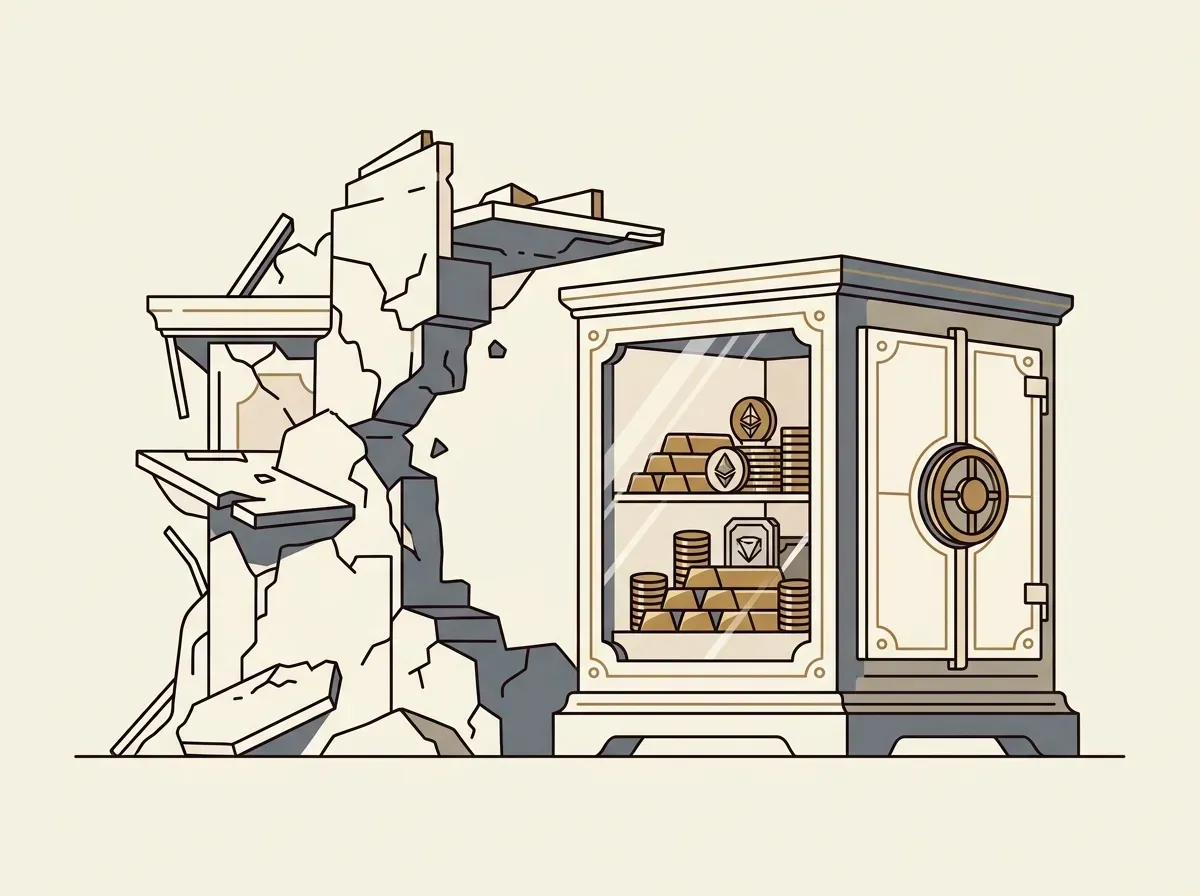
Every tokenized stock on GM Markets is backed 1:1 by a real share. These underlying shares are held in segregated customer accounts at regulated broker-dealers, such as Interactive Brokers and Alpaca Markets. This is an essential component of our asset protection strategy.
Segregated accounts mean your assets are kept entirely separate from GM Markets' operational funds and from the broker's own balance sheet. This structure is a standard practice in traditional finance designed to protect client assets in case of a firm's insolvency. For example, in the United States, SEC Rule 15c3-3 (Customer Protection Rule) mandates that US broker-dealers segregate customer funds and securities from their own proprietary assets. This prevents brokers from using customer securities for their own business activities and ensures the prompt return of customer assets if the firm becomes insolvent. Such segregated accounts are generally protected from creditors during a broker's liquidation, and non-US citizens with accounts at SIPC-member firms receive the same coverage as US citizens.
Similarly, in the United Kingdom, the FCA Client Asset Regulations (CASS) mandate that firms segregate client money and assets from their own funds, requiring client money to be held in client bank accounts at approved banks. The Australian Securities and Investments Commission (ASIC) also mandates that regulated brokers hold client funds in segregated accounts to prevent their use for business purposes. This ensures that the shares remain available to token holders independently of GM Markets' or any single broker's commercial status, offering a critical layer of protection in case of insolvency. This segregation is an important distinction, providing a clear connection between your tokenized asset and a real-world, custodied share, which is crucial for asset recovery and continuity.

On-Chain Contract Enforcement for Redemption
The redemption path for your tokenized stocks is enforced by the underlying on-chain smart contract. This means the mechanism for converting your tokens back into their underlying shares is hard-coded into the blockchain and operates independently of GM Markets' day-to-day operations. The on-chain contract ensures that the process for redeeming tokens against the shares held in custody is transparent and auditable.
Regulatory bodies globally are increasingly recognizing digital assets as property, establishing the basis for their treatment in legal frameworks. The UK's Property (Digital Assets etc) Act 2025, for instance, formally recognizes digital assets as a category of personal property, providing stronger legal protections. In the European Union, the Markets in Crypto-Assets Regulation (MiCA) provides a comprehensive framework for crypto-asset service providers and issuers. The US Securities and Exchange Commission (SEC) affirms that tokenization, while a change in technology, does not alter the application of existing federal securities laws and regulations, meaning tokenized securities are subject to the same federal securities laws as traditional securities. These evolving legal frameworks support the enforceability of on-chain contracts and the property rights associated with tokenized assets. This on-chain enforcement provides an immutable and verifiable record of the redemption process, reducing reliance on any single entity and enhancing the security of your assets. The smart contract defines the rules and conditions for redemption, which cannot be altered without consensus, thereby providing a secure and transparent pathway for asset recovery.
The Role of a Designated Security Agent
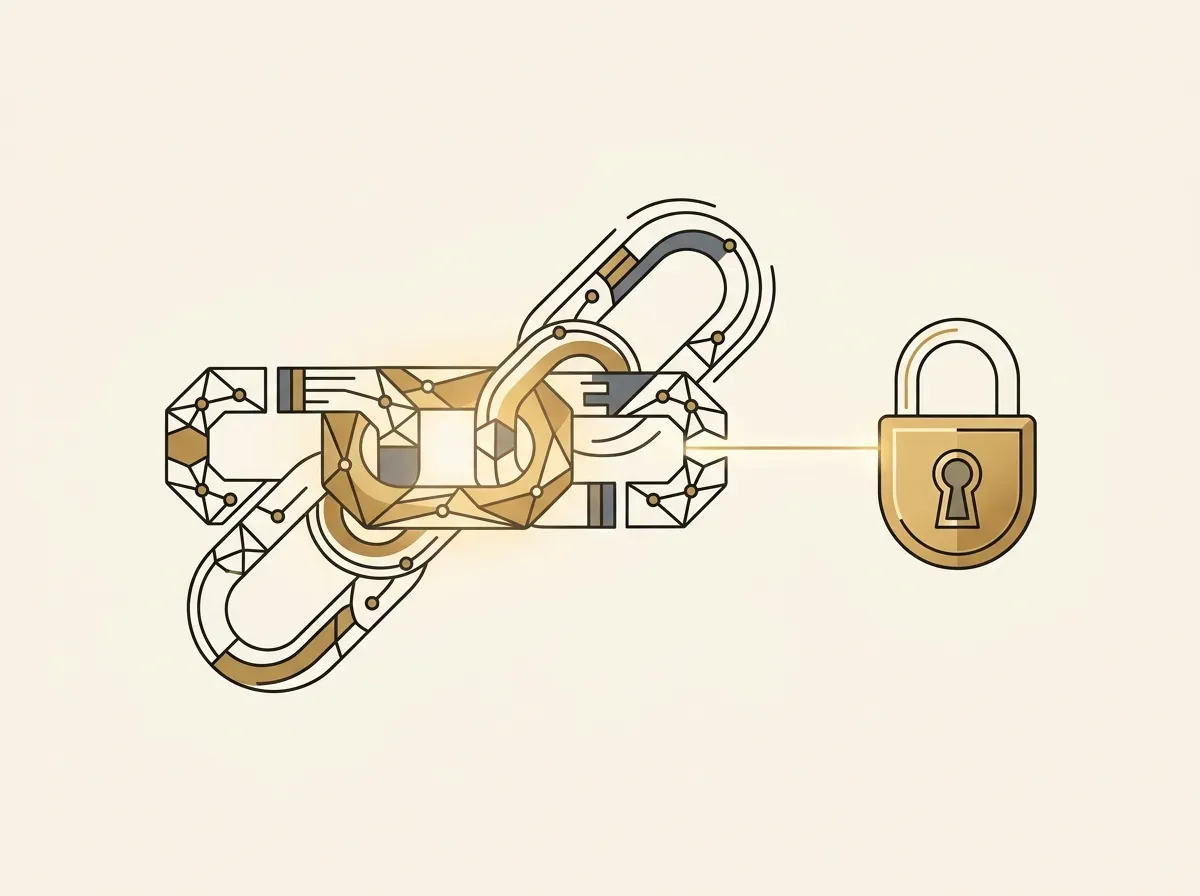
In the unlikely event that GM Markets discontinues operations, a designated security agent has standing authority to act on behalf of token holders. This agent works directly with the custodian to facilitate the redemption of outstanding tokens against the underlying shares. Their role is to ensure the continuity plan is executed, protecting your interests and access to your assets.
This role is similar to that of a transfer agent in traditional securities markets, which maintains official ownership records and facilitates changes of ownership. For tokenized securities, a designated security agent helps connect blockchain activity and legal ownership records. For example, Securitize, a prominent digital asset securities firm, operates as a digital transfer agent, managing the issuance and administration of tokenized securities within regulated financial markets. This demonstrates the critical function of an independent agent in ensuring asset integrity and transferability.
Platforms like Ondo Finance also utilize an independent third-party security agent, such as Ankura Trust Company, which holds a first-priority security interest in collateral and is authorized to distribute proceeds to token holders in specific issuer default events. This model of independent oversight ensures that a neutral, trusted party takes action to execute the continuity plan, acting solely in the interest of token holders. Our designated security agent ensures that the redemption path, enforced by the on-chain contract, is effectively administered, providing an essential layer of protection and assurance. The agent's authority is pre-defined and legally binding, triggered by specific conditions indicating a platform's inability to operate, ensuring a smooth transition and asset recovery process for token holders.
Self-Custody and Composability
When you acquire tokenized stocks on GM Markets, the ERC-20 tokens reside in your self-custodial embedded wallet, managed by Privy using Multi-Party Computation (MPC) technology. This means you maintain control over your tokens; they are not held on GM Markets' balance sheet. This self-custody model provides a significant advantage over traditional brokerage accounts where assets are held by the broker.
The ability to move, trade, lend, or use these tokens as collateral across DeFi protocols further emphasizes your direct ownership and control, even in a platform shutdown scenario. Your tokens are standard on-chain (ERC-20) assets that can be used across various DeFi applications such as Aave, Morpho, Uniswap, Curve, and CoW Swap. This composability ensures that your assets are not locked into our platform and can be managed and utilized by you directly, regardless of our operational status. This direct control over your assets is a central principle of our platform, empowering you with true ownership and flexibility.
Building Trust Beyond Continuity: Proof of Reserves and Audits
Our commitment to security extends to real-time transparency. We utilize Accountable, a third-party proof-of-reserves provider, to attest broker balances on-chain in real time, verifying the 1:1 backing of all tokenized assets. This provides continuous, verifiable evidence that every token issued on our platform is fully backed by a corresponding real share held in custody. You can view our live backing ratio on our Proof of Reserves page.
Our smart contracts undergo regular audits by reputable firms like Sherlock, Halborn, Cantina, and Cyfrin. These audits are critical for identifying and mitigating potential vulnerabilities, further enhancing the security and reliability of our systems. We are transparent about our security posture, including being in public beta as we continuously improve and secure our platform. We encourage users to visit our Security page for more details on our measures. It is important to note that GM Markets does not offer services to users in the United States or other restricted jurisdictions. All investments carry risk, including the potential loss of principal. Tokenized stocks involve unique risks such as smart-contract, custody, and counterparty risks. We do not provide financial, investment, tax, or legal advice. Please consult our Risk and Legal page for comprehensive disclosures.
Frequently Asked Questions
What are segregated customer accounts?
Segregated customer accounts are special accounts at regulated broker-dealers where client assets are held entirely separate from the broker's own operational funds. This separation is a crucial regulatory requirement designed to protect client assets from being used for the firm's business activities and to safeguard them in the event of the broker's insolvency.
How does the on-chain smart contract protect my assets?
The on-chain smart contract contains the immutable rules for redeeming your tokenized stocks against their underlying shares. This means the redemption process is hard-coded into the blockchain and operates automatically, independent of GM Markets' continued operation. It provides a transparent and verifiable pathway for asset recovery.
Who is the designated security agent, and what do they do?
A designated security agent is an independent third party with pre-defined legal authority to act on behalf of token holders. In the unlikely event GM Markets ceases operations, this agent works with the custodian to ensure your tokens can be redeemed for their underlying shares, enforcing the continuity plan and protecting your interests.
Do I own the underlying shares directly?
When you hold tokenized stocks on GM Markets, you have economic exposure to the underlying shares and a direct contractual claim through a bankruptcy-remote SPV. The tokens are backed 1:1 by real shares held in segregated accounts. While you do not hold the shares directly in your name as a traditional shareholder (e.g., with voting rights), you retain self-custody of the tokens and the economic benefits.
Key Takeaways for Tokenized Stock Holders
Your tokenized stocks on GM Markets are designed with strong protections against platform insolvency. Our comprehensive approach ensures that your assets are safeguarded through multiple mechanisms. Segregated accounts at regulated broker-dealers, on-chain redemption contracts enforced by immutable smart contracts, the oversight of an independent security agent, and the bankruptcy-remote SPV structure are all in place to protect your assets. Additionally, maintaining self-custody of your tokens in your embedded wallet provides an additional level of control and access, empowering you with direct ownership. We are committed to providing a secure and transparent platform for accessing global equities on-chain. Explore our learn section to understand more about tokenized stocks and how they work.