What Are Tokenized Stocks? A Complete Beginner's Guide
A tokenized stock is a digital token on a blockchain, backed 1:1 by a real share held at a regulated broker. Learn the mechanics of how they work and how they compare to traditional stocks.
What Are Tokenized Stocks?
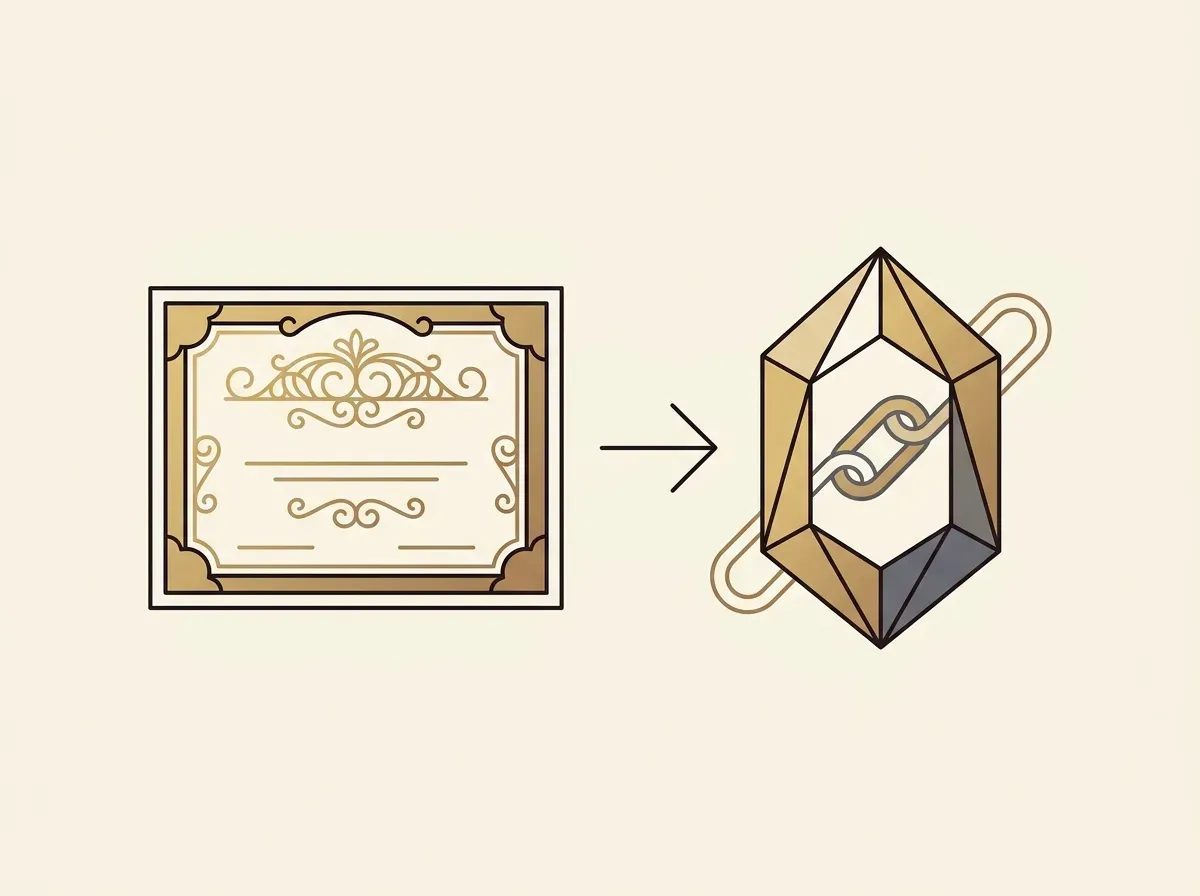
A tokenized stock is a digital token that represents ownership of one share of a publicly traded company on a blockchain. Each token is fully backed 1:1 by an actual share held in a segregated account at a regulated financial institution. This structure combines the economic exposure of traditional stocks, like price appreciation and dividends, with the technical advantages of crypto assets, such as near-instant settlement, self-custody, and the ability to be used in decentralized finance (DeFi).
The global stock market represents over $150 trillion in value, according to the World Federation of Exchanges. Tokenization is emerging as a powerful mechanism to bring this value on-chain. Projections from Boston Consulting Group estimate the market for tokenized assets could reach nearly $19 trillion by 2033, demonstrating the significant shift underway in financial market structure. On our platform, we see this not as a future concept but as a present reality. This guide explains the precise mechanics of how tokenized stocks work, based on our direct experience building and operating a tokenization platform.
How Tokenized Stocks Actually Work: The Mechanics
The integrity of a tokenized stock depends entirely on the strength of its backing and the transparency of its operations. The process involves a coordinated system of custody, minting, and on-chain verification to ensure every token corresponds to a real-world share.
The 1:1 Backing Model
The foundational principle is 1:1 backing. For every tokenized share of a company like NVIDIA (NVDA) that exists on a blockchain, one full share of NVDA has been purchased and is held in a dedicated custody account. This is not a synthetic or derivative exposure; it is a direct claim on the underlying asset. When a user buys a tokenized stock, new shares are acquired and locked in custody. When they sell, the underlying shares are sold and the corresponding tokens are removed from circulation, or burned. This ensures the total on-chain supply of tokens never exceeds the off-chain reserve of shares.
Custody at Regulated Brokers
The underlying shares are not held by us, but by established, regulated third-party custodians. At GM Markets, we use leading broker-dealers like Interactive Brokers and Alpaca Markets. These firms hold the assets in segregated customer accounts, legally distinct from their own corporate funds. This segregation is a critical security measure designed to protect holder assets even in the event of insolvency of the broker or the tokenization platform.
On-Chain Proof of Reserves
Trust in this model requires verifiable proof. We provide this through a real-time, on-chain Proof of Reserves system. A third-party attestation service, Accountable, has read-only access to our custodial accounts. It continuously compares the number of shares held at the brokers with the number of tokens issued on the blockchain. This data is published on-chain, allowing anyone to independently verify that the system is fully backed at all times.
Tokenized Stocks vs. Traditional Stocks: A Comparison
While both instruments provide exposure to the same asset, they operate in fundamentally different ways. The key distinctions lie in settlement, accessibility, and what you can do with the asset once you own it.
| Feature | Traditional Stocks | Tokenized Stocks |
|---|---|---|
| Ownership & Rights | Direct ownership of shares, including voting rights. | Economic exposure to the share's value. Voting rights are typically not passed through to the token holder. |
| Settlement Speed | T+2 or T+1 (trade day plus one or two business days). Capital is locked until settlement. | Near-instant settlement (T+0). Transactions are final within seconds or minutes on the blockchain. |
| Accessibility | Often requires a brokerage account with jurisdictional and high minimum investment barriers. | Permissionless access via a crypto wallet. Can be purchased fractionally from as little as $1. |
| Trading Hours | Limited to standard market hours (e.g., 9:30 AM to 4:00 PM ET for U.S. markets). | 24/7/365 trading. Orders outside traditional hours are queued on-chain to be filled when markets open. |
| Composability | Held within a brokerage account silo. Cannot be used outside that system. | Can be used as collateral, lent out, or provided as liquidity across global DeFi protocols. |
The Power of Composability
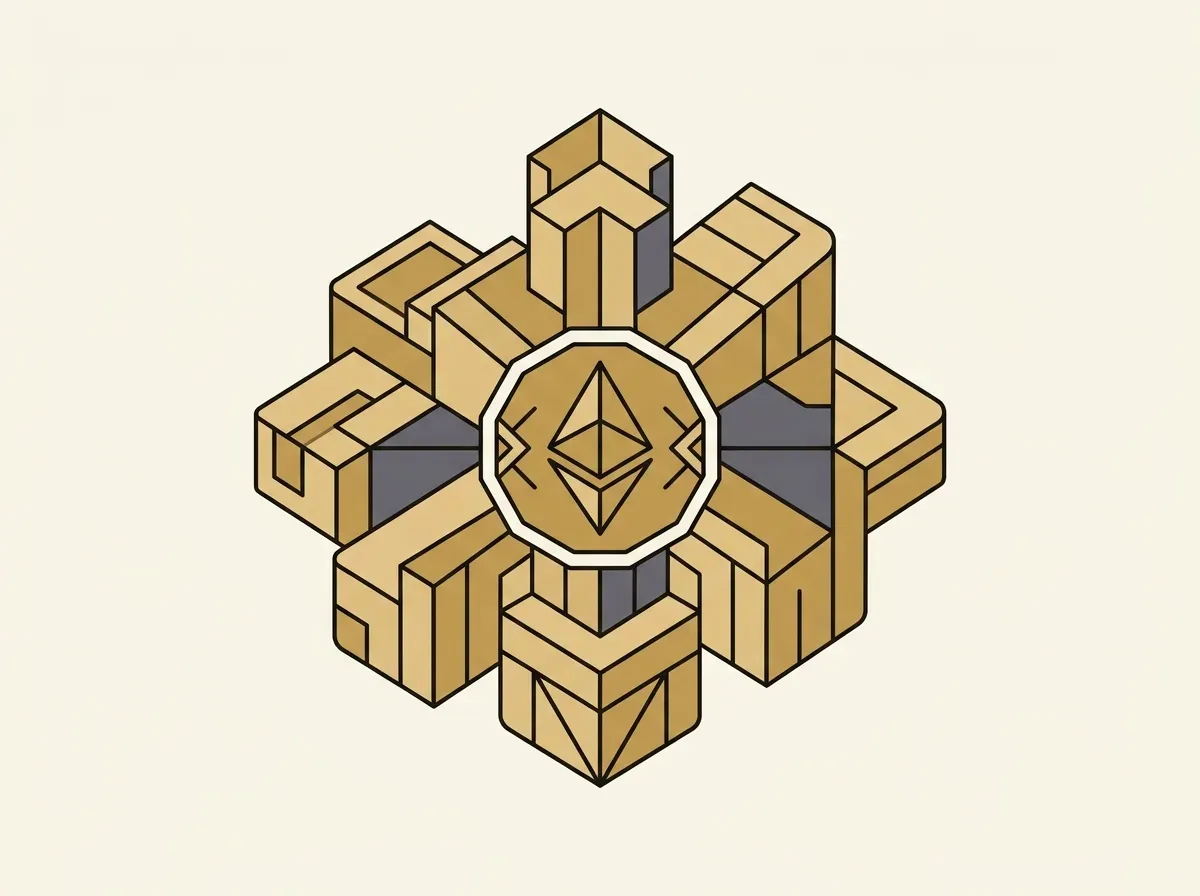
Composability is a core advantage of tokenized assets. It means a tokenized stock, as a standard ERC-20 token, can interact with other financial protocols on a blockchain. For example, major DeFi lending platforms like Aave and Morpho have integrated tokenized real-world assets, allowing holders to use them as collateral to borrow stablecoins. This transforms a static holding into a productive asset, unlocking capital efficiency that is impossible in the traditional financial system.
Key Benefits of Using Tokenized Stocks
The structural differences outlined above translate into tangible benefits for investors, particularly those outside the United States.
- Global Market Access: For investors in many parts of the world, accessing U.S. equities can be a slow and expensive process. Tokenization provides a direct, low-friction path to these markets.
- Self-Custody and Control: Unlike a traditional brokerage where the firm holds your assets, tokenized stocks can be held in a user's own non-custodial wallet. This grants the holder direct control over their assets, reducing platform-specific counterparty risk. You can learn more about our security model, which uses multi-party computation (MPC) wallets.
- Capital Efficiency: As mentioned, the ability to deploy assets in DeFi protocols means your equity holdings can generate yield or be used as collateral, making your capital work harder.
- Reduced Friction: Onboarding is simplified. Instead of extensive paperwork, users can connect a wallet and begin trading in minutes. The move to near-instant settlement also significantly reduces capital lockup, with a report from Accenture estimating DLT could cut post-trade costs by up to 50%.
Understanding the Risks and Limitations
As with any financial innovation, it is essential to understand the associated risks and limitations. Honesty about these factors is a cornerstone of building trust.
- Smart Contract Risk: The tokens and trading platforms operate on smart contracts, which are complex pieces of code. A bug or vulnerability could potentially be exploited. To mitigate this, our smart contracts undergo rigorous audits by multiple third-party security firms.
- Counterparty and Custodian Risk: The model relies on the stability and security of the third-party custodians holding the underlying assets. While assets are segregated, the failure of a major custodian would be a significant market event.
- Regulatory Uncertainty: The legal framework for tokenized securities is still developing globally. Regulators like the EU's ESMA are actively creating pilot programs, but rules can change. It is important to note that our services are not offered to users in the United States or other restricted jurisdictions.
- Market Risk: A tokenized stock is subject to the same market risk as its traditional counterpart. Its value is tied directly to the underlying company's performance and can decline. We do not provide financial advice, and all trading involves the risk of loss. For more details, please review our risk and legal disclosures.
Frequently Asked Questions
Do I receive dividends from tokenized stocks?
Yes, you receive the full economic benefit of dividends. On our platform, we use a total-return model. When a company like Apple pays a dividend, the funds are used to purchase more AAPL shares in the reserve. This increases the Net Asset Value (NAV) of each tokenized share, causing its price to rise accordingly. You see the value of the dividend reflected in the token's price rather than as a separate cash payment.
Are my tokenized stocks insured or protected?
The underlying shares are held in segregated customer accounts at regulated U.S. broker-dealers. This structure is designed to protect customer assets under applicable investor-protection arrangements for segregated accounts.
Can I trade tokenized stocks 24/7?
Yes, you can place orders to buy or sell tokenized stocks at any time. Orders placed during traditional market hours are typically filled immediately. Orders placed when the underlying market is closed are queued on-chain and filled automatically when the market reopens and liquidity becomes available.
What taxes do I owe on tokenized stocks?
Tax obligations for digital assets vary significantly by jurisdiction. Selling a tokenized stock for a profit is typically a taxable event. You are responsible for your own tax reporting. We recommend consulting a qualified tax professional in your country of residence.
The Bridge Between Traditional and Decentralized Finance
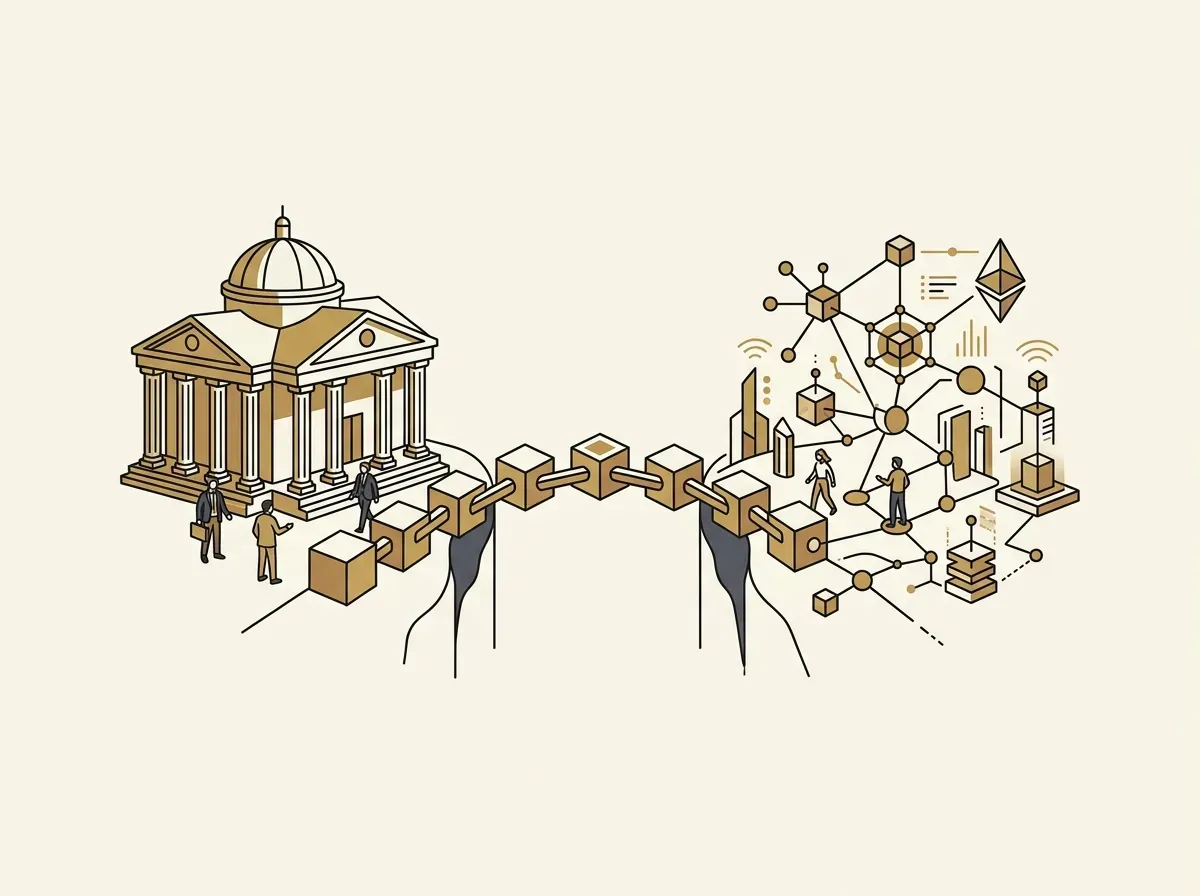
Tokenized stocks represent a fundamental innovation in market structure. They are not just a theoretical concept; they are a functional financial tool that bridges the $150 trillion world of traditional equities with the efficiency and openness of on-chain finance. By providing 1:1 backed, verifiable, and composable access to real-world assets, they unlock new levels of capital efficiency and global market accessibility.
This technology is still in its early stages, but its potential to democratize access to wealth creation is immense. To see how these instruments work in practice, you can explore the tokenized assets available on GM Markets or read more in our Learn Center.
Sources
- ledgerinsights.com
- ripple.com
- coingeek.com
- assettokenization.com
- tokenizer.estate
- addx.co
- binance.com
- ledgerinsights.com
- digitalvisionaries.ai
- weforum.org
- dlapiper.com
- theblock.co
- europa.eu
- dudkowiak.com
- europa.eu
- europa.eu
- europa.eu
- cliffordchance.com
- fca.org.uk
- cms.law
- fscom.co
- fca.org.uk
- pinsentmasons.com
- bankofengland.co.uk
- twobirds.com
- rwa.io
- mas.gov.sg
- cnplaw.com
- sqmu.net
- bixmalaysia.com
- dtcc.com
- galaxy.com
- medium.com
- medium.com
- thedefiant.io
- iq.wiki
- decrypt.co
- binance.com
- medium.com
- centrifuge.io
- tokenterminal.com
- morpho.org
- morpho.org
- cobo.com
- cryptorank.io
- superstate.com
- coingecko.com
- medium.com
- rwa.io
- blockchainappfactory.com
- uphold.com
- chainalysis.com
- nadcab.com
- libertum.io
- differ.blog
- taurushq.com
- blockchainappfactory.com
- github.com
- chainalysis.com
- medium.com
- quicknode.com
- github.com
- quillaudits.com
- solulab.com
- prnewswire.com
- mexc.com
- mercuryo.io
- theblock.co
- stowise.com
- theblock.co
- zodia-custody.com
- businesswire.com
- stablecoinatlas.com
- world-exchanges.org
- coinbax.com
- amlincubator.com
- medium.com
- fireblocks.com
- fintechwrapup.com
- businessinsider.com
- bcg.com
- prnewswire.com