How to Safely Move Tokenized Stocks Between Wallets
Learn how to safely transfer tokenized US stocks between self-custodial wallets on various blockchain networks. This guide covers essential preparations, step-by-step execution, and advanced security measures for managing your digital assets with confidence.
How to Safely Move Tokenized Stocks Between Wallets
Moving assets between wallets on a blockchain offers direct control and flexibility. At GM Markets, we empower you with true self-custody by issuing tokenized US-listed stocks as standard ERC-20 assets. This means you can manage your investments with the same autonomy you expect from other digital assets. This guide details the secure, step-by-step process of transferring your tokenized stocks between self-custodial wallets, emphasizing blockchain best practices and the inherent security of these assets.
Understanding how to move your tokenized stocks safely is essential for consolidating holdings, enhancing security, or leveraging them across various decentralized finance (DeFi) protocols. We provide the tools for permissionless access to global equities, and this guide ensures you can manage those assets with confidence and precision.
The Power of Self-Custody: Why Move Tokenized Stocks On-Chain
GM Markets offers tokenized US stocks as fully backed, 1:1 representations of real shares held in custody. These are standard ERC-20 tokens, which means they reside in your self-custodial wallet, granting you direct ownership and control. This approach stands in stark contrast to traditional stock transfers, which are typically confined to brokerage accounts and lack the direct user control inherent in blockchain-based assets.
The benefits of moving tokenized stocks on-chain are significant. You gain enhanced security by holding assets in a wallet only you control, rather than relying solely on a third-party custodian for every transaction. This control extends to how you manage your assets, enabling you to consolidate holdings from various sources into a single, secure wallet. Furthermore, the composability of ERC-20 tokens allows you to use your tokenized stocks as collateral, for lending, or within other DeFi protocols, creating new possibilities for your investments. Learn more about how our tokenized stocks work and the security measures we implement.
Understanding the Mechanics of On-Chain Transfers
Tokenized stocks from GM Markets are ERC-20 tokens designed to operate on public blockchains, including Base, Arbitrum, Ethereum, and Optimism. These networks facilitate secure, transparent transfers, offering immutable records of every transaction. When you initiate a transfer, you are interacting directly with these blockchain networks.
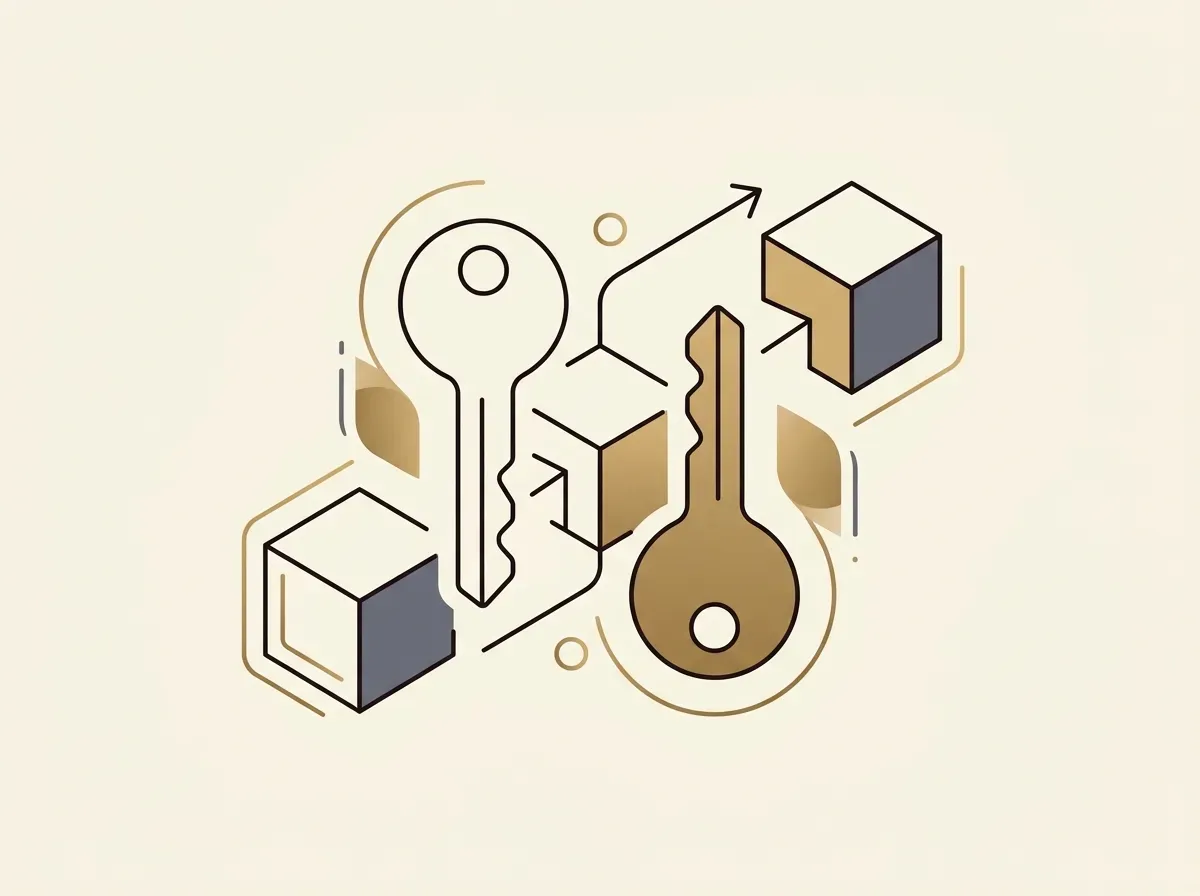
Every transaction on a blockchain relies on a pair of cryptographic keys: your public key (your wallet address) and your private key. Your public key is visible to anyone and serves as your destination for receiving assets. Your private key, which must remain secret, is used to digitally sign and authorize transactions, proving you are the legitimate owner of the funds being moved. Once a transaction is signed and broadcast to the network, it is processed by validators and, once confirmed, becomes an immutable part of the blockchain. This transaction finality means that, unlike traditional bank transfers, on-chain transfers cannot be reversed once completed.
Essential Preparations Before Any Transfer
Careful preparation is crucial for secure on-chain transfers. Mistakes on a blockchain are often irreversible, so attention to detail is paramount.
Verify the Recipient Wallet Address
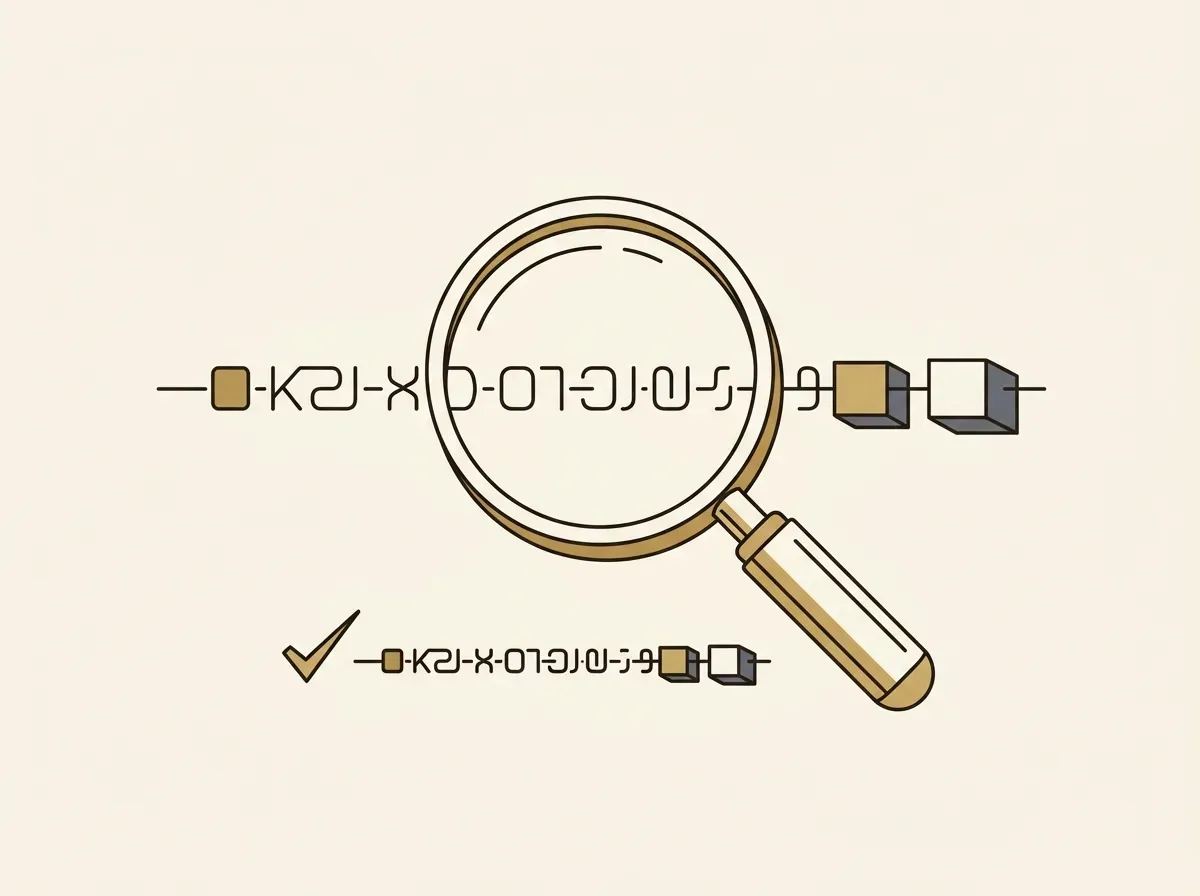
The most critical step is to accurately verify the recipient wallet address. Blockchain addresses are long strings of characters, and a single incorrect character means your funds will be sent to an unintended address, likely irrecoverably. We strongly recommend the 'send small amount first' rule. This is a critical safety measure: always initiate a minimal test transaction to the recipient address to confirm it arrives as expected before sending larger amounts. Double-check every character of the address against the intended recipient's verified address. Be vigilant against address poisoning, a scam where attackers send tiny transactions from addresses designed to look similar to legitimate ones in your transaction history, hoping you will mistakenly copy their address for future transfers. A notable address-poisoning theft resulted in approximately $50 million being stolen on December 20, 2025.1
Confirm Network Compatibility
Ensure both your sending and receiving wallets support the same blockchain network for the specific tokenized stock. For example, if you are transferring tokenized AAPL on the Base network, your recipient wallet must also be configured to receive tokenized AAPL on the Base network. Sending tokens across incompatible networks will result in permanent loss of funds.
Check Network Status and Gas Fees
On-chain transfers incur gas fees, which compensate network validators for processing your transaction. Gas fees are paid in the native cryptocurrency of the network (e.g., ETH for Ethereum, Arbitrum, Optimism, and Base). These fees fluctuate based on network congestion. Layer 2 solutions like Arbitrum, Optimism, and Base offer significantly lower and more stable fees compared to Ethereum's mainnet.
- Ethereum (L1): An ERC-20 transfer typically costs around $0.16 to $0.28 at a base price of 0.18 Gwei (Milk Road) or 0.15 Gwei (OKLink).2
- Arbitrum (L2): ERC-20 transfers are much cheaper, costing around $0.002 at approximately 0.02 Gwei (Arbiscan, Dwellir).3
- Optimism (L2): Costs are exceptionally low, ranging from less than $0.000001 to $0.001 at gas prices below 0.001 Gwei (Etherscan OP Mainnet Gas Tracker, Dune Analytics).4
- Base (L2): An ERC-20 transfer costs approximately $0.001 at 0.005 Gwei (BaseScan).5
Always check current gas prices using a reliable blockchain explorer before initiating a transfer, especially for larger transactions where fee variations can be more impactful. A tool like Etherscan's Gas Tracker can provide real-time estimates for various networks.6
Backup Wallet Credentials
Your private keys or seed phrases represent your complete authority over your assets. Ensure you have securely backed up these credentials for both your sending and receiving wallets. Loss of these credentials means permanent loss of access to your funds. Store them offline, in multiple secure locations, and never share them with anyone.
Step-by-Step: Executing a Secure Tokenized Stock Transfer
Once you have completed your preparations, executing the transfer is a straightforward process.
Access Your Sending Wallet
Log into your self-custodial wallet. If you are withdrawing tokenized stocks from your GM Markets account, you will access your embedded Privy wallet. Our Privy wallets use Multi-Party Computation (MPC) and Trusted Execution Environments (TEEs) to split your private key into multiple encrypted shares, ensuring no single entity, including GM Markets, ever holds the complete key. This enhances security for your transfers.
Select the Tokenized Stock
Navigate to the specific tokenized stock you wish to transfer, such as tokenized AAPL or NVDA, within your wallet interface.
Initiate Transfer
Look for the 'Send' or 'Transfer' function within your wallet. This will open the transaction interface.
Enter Recipient Address and Amount
Carefully paste the verified recipient wallet address into the designated field. Specify the exact quantity of tokenized stocks you wish to send. Ensure you have sufficient funds to cover both the transfer amount and the associated gas fees.
Review and Confirm
Before signing the transaction, meticulously review all details: the recipient address, the amount, and the estimated network gas fee. Once you are certain all information is correct, confirm the transaction. You will likely need to sign the transaction using your wallet's authentication method (e.g., biometric, passkey, hardware wallet confirmation).
Monitor Transaction Status
After confirming, your transaction will be broadcast to the blockchain network. You can track its progress using a blockchain explorer (e.g., Etherscan for Ethereum, Arbiscan for Arbitrum, Optimism Scan for Optimism, Basescan for Base). Enter your transaction hash or sending address to see its status. Confirmation times vary by network:
- Ethereum: A single confirmation takes around 12-13 seconds, with full finalization typically within 12.8 minutes.7
- Arbitrum: Soft confirmation via the Sequencer is fast (~250 milliseconds), with a standard transfer confirming within 1-3 minutes. Withdrawals to Ethereum Layer 1 have a 7-day waiting period.8
- Optimism: Soft confirmation by the Sequencer takes around 2 seconds, and transactions are considered 'safe' within 7 minutes (L1 Batch Inclusion). Full L1 finality occurs in approximately 20 minutes. Withdrawals to Ethereum Layer 1 also have a 7-day waiting period.9
- Base: Soft confirmation via the Sequencer is fast (~200 milliseconds), with transaction batches posted to Ethereum in approximately 5-10 minutes. Full L1 finality occurs in about 15-20 minutes. Withdrawals to Ethereum Layer 1 incur an additional 7-day waiting period.10
Advanced Security Measures for Tokenized Stock Transfers
Beyond basic precautions, several advanced measures can further enhance the security of your tokenized stock transfers.
Hardware Wallet Integration
For significant holdings, integrating a hardware wallet is a robust security measure. Hardware wallets store your private keys offline, making them highly resistant to online threats. Transactions must be physically approved on the device, adding an essential layer of security. While adoption rates vary, with reports indicating approximately 2.5% of crypto users utilizing hardware wallets as their primary storage method, and others suggesting over 5.8 million hardware wallets shipped globally by 2024, their use is a best practice for securing substantial assets.11
Multi-Signature Wallets
Multi-signature (multi-sig) wallets require multiple private keys to authorize a transaction. This means no single individual can unilaterally move funds. Multi-sig setups are particularly valuable for institutional holdings or shared accounts, adding an extra layer of protection against single points of failure or compromise.
Beware of Phishing and Scams
The cryptocurrency space is unfortunately targeted by various sophisticated scams. ERC-20 tokens were involved in 89.5% of the $71.5 million lost to phishing scams in March 2024 alone, according to Scam Sniffer.12 Be aware of these common attack vectors:
- Malicious Token Approvals and Phishing: Scammers trick users into granting malicious smart contracts permission to spend their tokens, often via fake websites or messages. Once approved, the attacker can drain tokens at any time. Chainalysis estimated at least $374 million was stolen via approval phishing in 2023.13
- Address Poisoning: As mentioned, attackers send tiny transactions from addresses that look similar to legitimate ones in your history, hoping you will mistakenly copy their address for future transfers. A single address-poisoning theft resulted in approximately $50 million being stolen on December 20, 2025.1
- Honeypot Scams: Deceptive tokens designed to prevent users from selling them after purchase, trapping their funds.
- Fake Token Airdrops and Impersonation: Scammers create counterfeit tokens with symbols identical to real ones, then send them to wallets or promise airdrops. Interacting with associated phishing sites can compromise your wallet.
- Dusting Attacks: Sending minuscule amounts of crypto to many wallets to track transactions and potentially deanonymize owners for targeted phishing.
Always verify the legitimacy of any website or request, and be cautious of unsolicited messages or offers.
Keep Software Updated
Regularly update your wallet software, operating system, and any security applications. Software updates often include critical security patches that protect against newly discovered vulnerabilities.
Jurisdiction and Risk
We provide these services to a global audience, but it is important to note that GM Markets does not offer services to users in the United States or other restricted jurisdictions. All on-chain transactions carry inherent risks. These include smart contract risk (vulnerabilities in the code), network risk (congestion, forks), and counterparty risk (if interacting with other protocols). While we implement robust security measures for our platform, users are ultimately responsible for their own security practices and due diligence when moving assets between wallets. We encourage you to review our legal and risk disclosures for full details. You can also review our pricing page for details on our fee structure, including free deposits and withdrawals.
Frequently Asked Questions
What happens if I send tokens to the wrong address?
On-chain transactions are irreversible. If you send tokens to an incorrect or non-existent address, they are typically lost permanently. This underscores the importance of verifying recipient addresses thoroughly before confirming any transfer.
Are there limits to how many tokenized stocks I can transfer?
While the ERC-20 standard itself does not impose limits, individual platforms like GM Markets may have operational withdrawal limits for security or regulatory reasons. These limits are typically high and designed to accommodate most users' needs. Check our platform documentation or support channels for specific details.
Can I reverse a tokenized stock transfer?
No, due to the immutable nature of blockchain transactions, a tokenized stock transfer cannot be reversed once it has been confirmed on the network. This is a fundamental characteristic of decentralized ledgers.
How do gas fees work when moving tokens from my GM Markets smart account?
When you withdraw tokenized stocks from your GM Markets smart account to an external wallet, gas fees are abstracted. Our smart account pays the native gas fee on the underlying blockchain, and the equivalent amount is then billed in USDF from your balance. You do not need to hold the native chain token (e.g., ETH) in your wallet to cover gas for withdrawals.
What is the difference between transferring and withdrawing tokenized stocks?
Withdrawing tokenized stocks refers to moving them from your GM Markets account to an external self-custodial wallet. Transferring tokenized stocks refers to moving them between any two self-custodial wallets on the blockchain, whether or not GM Markets is involved in one of the wallets.
What are the supported networks for GM Markets tokenized stocks?
GM Markets tokenized stocks can be transferred on Base, Arbitrum, Ethereum, and Optimism networks. Always ensure your recipient wallet supports the same network for the specific tokenized asset.
Secure Your Financial Future with Tokenized Assets
Moving tokenized stocks between wallets safely is a core capability of self-custody, offering you direct control over your investments and creating possibilities within the broader DeFi ecosystem. By understanding the mechanics of on-chain transfers, diligently preparing, and implementing advanced security measures, you can manage your tokenized assets with confidence.
GM Markets is committed to providing secure, permissionless access to US equities as composable ERC-20 tokens, backed by robust security protocols and real-time attestations. We empower you to take charge of your financial future. Explore the GM Markets platform to learn more about our tokenized assets and the comprehensive security features that protect your investments. You can also visit our Frequently Asked Questions page for more information.
Please remember that GM Markets does not offer services to users in the United States or other restricted jurisdictions, and all on-chain transactions carry inherent risks. Users are responsible for their own security practices.