How to Buy Tokenized Tech Stocks like ARM and NVIDIA with Crypto
Learn what tokenized stocks are and how to buy them with crypto. This guide covers 1:1 backing, DeFi composability, and the risks of on-chain equity trading.
What Is Tokenized Stock?
A tokenized stock is a digital token on a blockchain that represents a one-to-one ownership claim on a real share of a publicly traded company. On our platform, for every tokenized share we issue, one corresponding real share is purchased and held in a segregated customer account at a regulated broker-dealer, such as Interactive Brokers. This mechanism ensures that your token is always fully backed by the underlying asset, a fact you can verify in real time on our Proof of Reserves page.
This structure provides several distinct advantages over traditional stock ownership. You can buy and hold fractional shares, down to six decimal places, allowing you to invest with as little as one dollar. The tokens reside in your self-custodied crypto wallet, giving you direct control over your assets. This model also makes it possible to access exposure to U.S. equities outside of conventional market hours, bypassing many of the barriers international investors face with traditional brokerage accounts, such as high minimums, wire transfer delays, and unfavorable currency exchange rates.
Unlike holding a stock in a conventional account, a tokenized share is a composable on-chain asset. This means you can use your position within the decentralized finance (DeFi) ecosystem. For example, you can use a holding like tokenized NVDA as collateral to borrow stablecoins, supply it to a liquidity pool to earn fees, or integrate it into more complex structured products. This turns a static holding into a productive financial tool that can generate yield or unlock liquidity without requiring you to sell your position.
A Step-by-Step Guide to Buying Tokenized Stocks
Acquiring tokenized stocks on our platform is a direct process designed for crypto-native users. Here are the steps to get started.
Step 1: Onboard on GM Markets
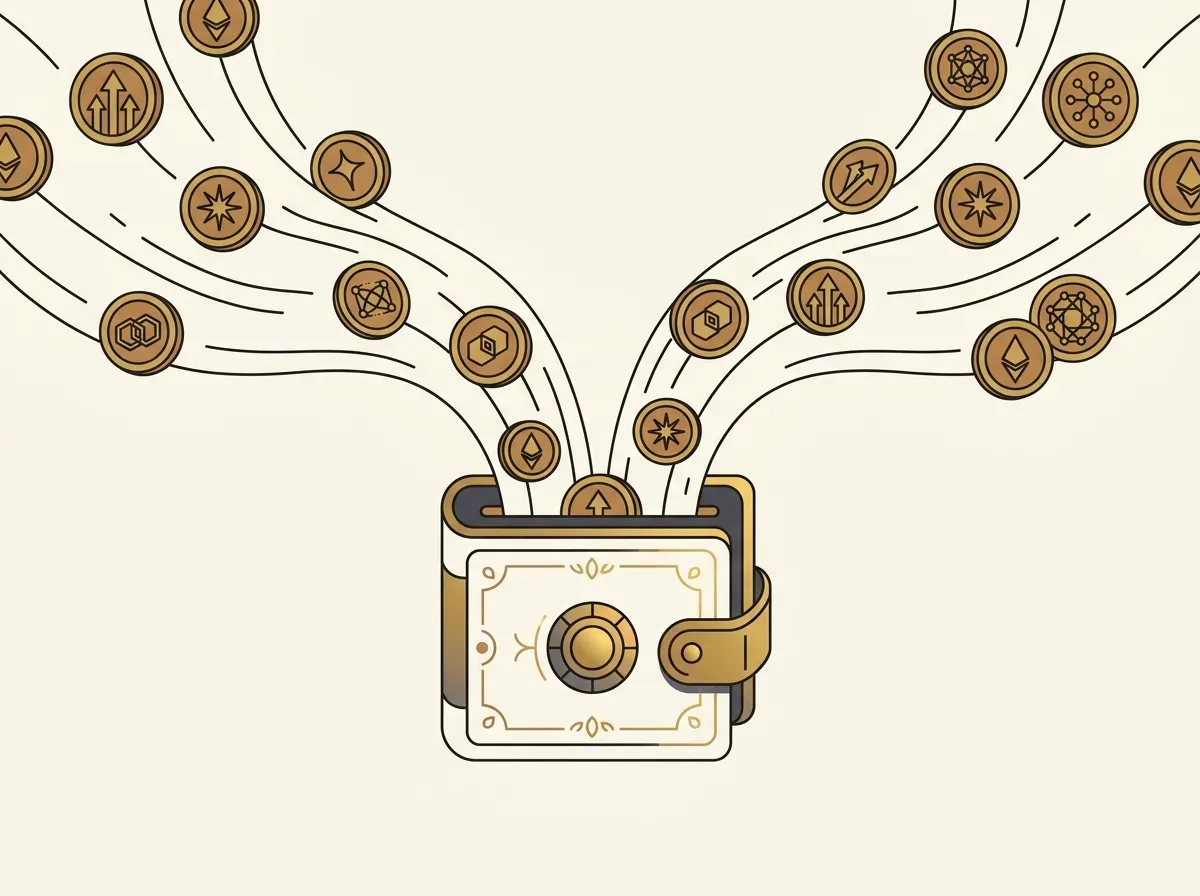
Our onboarding process is permissionless. You can connect an existing crypto wallet, such as MetaMask or Coinbase Wallet, with a single click. Alternatively, you can create a new, secure embedded wallet using your Google account or email address. This embedded wallet is protected by multi-party computation (MPC), which means no single party, including GM Markets, has access to your complete private key. You can learn more about this in our overview of platform security.
Step 2: Deposit Crypto
To fund your account, you can deposit stablecoins like USDC or USDT from any supported network, including Base, Arbitrum, Ethereum, and Optimism. We unify these deposits into a single USDF balance on our platform, which simplifies trading across different blockchains. We do not charge any fees for crypto deposits.
Step 3: Find Your Target Stock
Once your account is funded, use the search bar at the top of the trading interface to find your target asset. You can search by its ticker symbol, such as NVDA or AAPL, or by its full name to navigate directly to the asset page. The list of available assets is dynamic, so we recommend you check the platform directly to see the most current offerings.
Step 4: Execute the Trade
On the asset's market page, you can initiate a trade. Our platform uses a Request-For-Quote (RFQ) system to ensure you receive a competitive price from regulated market makers. Enter the amount of USDF you wish to spend or the amount of the tokenized stock you wish to receive. The interface will show you the final quantity you will get, with our trading fee of 0.10% to 0.20% already included in the price. Review the quote and confirm the transaction.
Step 5: Receive the Tokens
Upon successful execution, the tokenized shares are settled and sent directly to your wallet on your chosen blockchain. You have full self-custody of the tokens immediately after the trade is complete and can see them in your portfolio on the GM Markets platform.
Why Use GM Markets for On-Chain Stock Exposure?
High-growth technology companies are often at the center of investor interest. Since its 2023 IPO, the largest of that year, ARM Holdings has become a key player in the semiconductor industry. For on-chain investors, gaining exposure to this type of growth requires a platform that bridges traditional equity markets and DeFi without introducing unnecessary friction or costs.
Direct On-Chain Settlement
Unlike traditional stock markets that operate on a T+1 or T+2 settlement cycle, trades on GM Markets settle directly on-chain. This provides near-instant finality and removes the delays associated with legacy financial infrastructure. Your assets are in your wallet and usable in DeFi moments after a trade, not days later.
Verifiable Reserves
We provide radical transparency about the backing of our tokenized assets. Through our third-party attestation partner, Accountable, you can view real-time, on-chain proof that every tokenized share is 100% backed by a real share held in custody. This verifiable, 1:1 backing is a core tenet of our platform.
Low, Transparent Costs
Our fee structure is simple: a single trading fee of 10 to 20 basis points (0.10% to 0.20%) is included in your trade quote. This compares favorably to traditional international brokers, which often charge per-share commissions, currency conversion fees, and minimum trade fees. With GM Markets, there are no deposit fees, withdrawal fees, or custody fees. You can see our full pricing schedule for details.
DeFi Composability
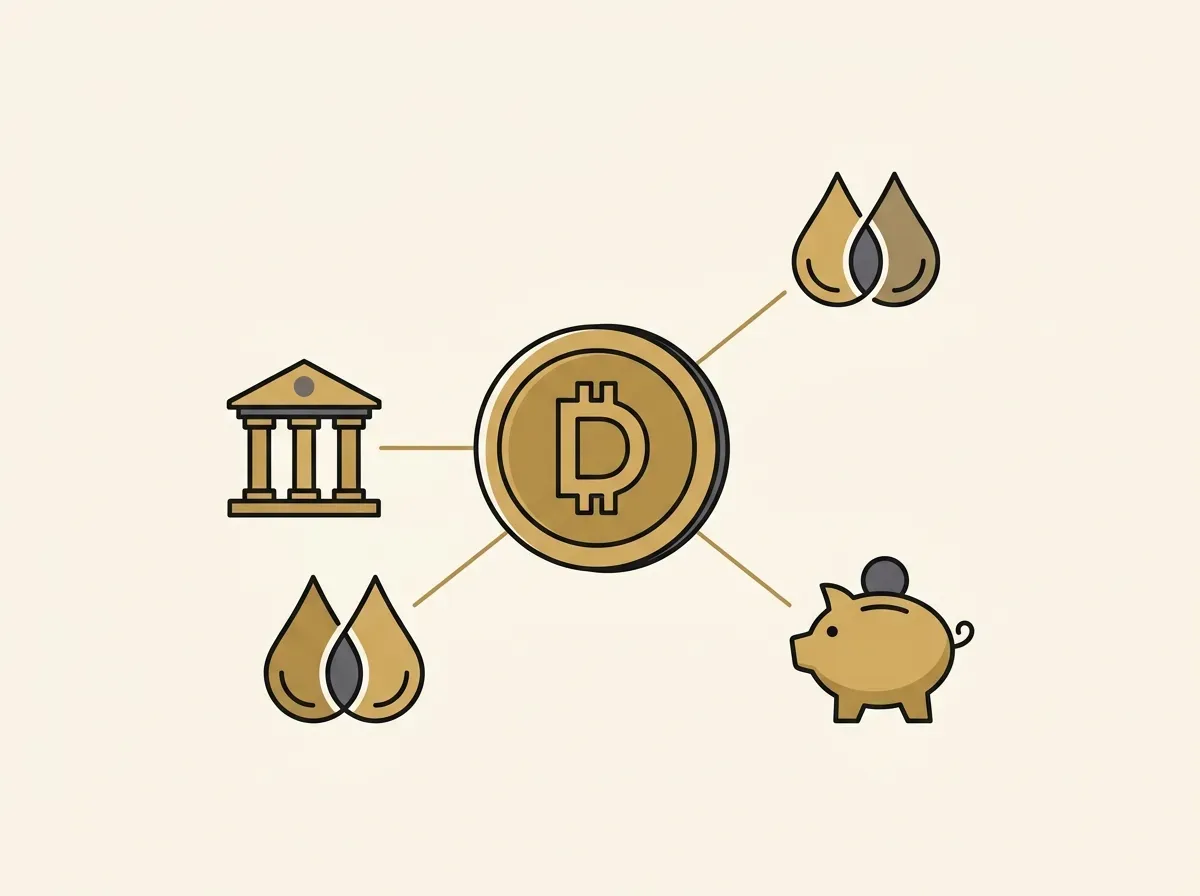
A tokenized stock on our platform is an ERC-20 token, making it a functional building block in DeFi. You can use your position as collateral to borrow stablecoins on lending protocols like Aave or Morpho. This allows you to unlock liquidity from your equity holdings without having to sell them, creating opportunities not possible in a traditional brokerage account.
Understanding Risks and Investor Considerations
Investing in any asset, including tokenized stocks, involves risk. It is important that you understand these factors before trading.
- Market Risk: The value of a tokenized stock is directly tied to the market price of the underlying company's stock. This price is subject to market volatility, industry trends, and macroeconomic factors. A stock's valuation can be a point of discussion among financial analysts. For example, analysts at Goldman Sachs have maintained a "Sell" rating on ARM, citing concerns about its high valuation relative to earnings forecasts. You may lose money if the market moves against your position.
- Technical Risk: As a platform built on smart contracts, there is inherent technical risk. To mitigate this, our smart contracts undergo multiple independent audits from reputable security firms, including Halborn, Sherlock, Cantina, and Cyfrin. We also maintain a bug bounty program to encourage responsible disclosure from security researchers.
- Custody and Counterparty Risk: The underlying shares are held in segregated accounts at regulated brokers, which protects them from the broker's own financial status. However, it is important to understand what token ownership entails. The tokens provide you with economic exposure to the stock's price and dividends, but they do not confer shareholder voting rights. This distinction is a key focus for regulators.
- Regulatory Environment: The regulatory landscape for tokenized securities is actively developing. Regulators like the U.S. Securities and Exchange Commission (SEC) and the European Securities and Markets Authority (ESMA) have clarified that tokenized securities remain subject to existing securities laws. The SEC uses its Framework for 'Investment Contract' Analysis of Digital Assets to determine if a token is a security, confirming that the underlying technology does not alter an instrument's legal status. Similarly, the EU's DLT Pilot Regime provides a framework for these assets, with ESMA actively reviewing its implementation to shape future rules. We are committed to operating in a compliant manner within this evolving framework.
Please note: GM Markets is not available to persons or entities in the United States or other restricted jurisdictions. All trading involves risk, and this material should not be considered financial or investment advice. For more information, please review our legal and risk disclosures.
Frequently Asked Questions
What happens to dividends for tokenized stocks?
We use a total-return model. When a company pays a dividend, the proceeds are automatically used to purchase more of the underlying shares. This increases the net asset value (NAV) of the token, so the value of the dividend is reflected in the token's market price rather than being paid out as a separate cash distribution.
Can I buy a fraction of one share?
Yes. Our platform supports fractionalization up to six decimal places. This allows you to invest in high-priced stocks with a small amount of capital, such as $1 or $10, rather than needing to purchase a full share.
How is the price of a tokenized stock determined?
The price is determined by real-time quotes from regulated market makers. When you request a trade, these partners provide a price based on the live price of the stock on its primary exchange. The price you see in your quote is the final price you will pay.
What happens if GM Markets ceases to operate?
The underlying assets are held in segregated accounts for the benefit of token holders and are not on our company's balance sheet. In the event we discontinue operations, a designated security agent is empowered by the on-chain contracts to work with the custodian to redeem all outstanding tokens for the underlying shares or their cash equivalent.
Start Trading Tokenized Stocks
GM Markets provides a transparent, secure, and efficient way for global investors to gain on-chain exposure to key technology stocks. By combining 1:1 asset backing with the flexibility of DeFi, our platform unlocks new possibilities for capital efficiency and accessibility. You can get started by connecting your wallet and funding your account in minutes.
As with any investment, we encourage you to perform your own research and understand the associated risks. Our platform is in public beta, and we are continuously working to improve the user experience. We welcome you to explore the future of on-chain finance with us.